Last Updated: November 2, 2026
Quick Summary
Wellness clinics restore mobility by combining hands-on treatment, guided exercise, and self-care into a phased plan that progresses from calming tissue to rebuilding strength. A personalized plan built on clinical assessment helps you restore mobility and accelerate healing between visits.
- Improving mobility after injury generally follows a phased path, starting with calming the tissue for the first several days.
- Two or three flat weeks usually means the program needs adjusting, not that you have failed.
- Seek medical care first for loss of bladder or bowel control or numbness in the groin or saddle area.
- At-home recovery matters as much as the visit, so do prescribed exercises even on good days.
- Dr. Mark Strudwick brings over 25 years of clinical experience and holds an International Certificate in Sports Chiropractic.
Table of Contents
- How Wellness Clinics Restore Mobility and Accelerate Healing
- Building a Personalized Pain Treatment Plan That Actually Works
- Mobility Exercises for Back Pain You Can Start This Week
- How to Improve Mobility After an Injury: A Step-by-Step Recovery Path
- Rehabilitation Exercises After Injury: What Progress Should Look Like
- Safety, Contraindications, and When to Seek Medical Care
- At-Home Recovery and Self-Management Between Visits
- Booking Your First Assessment at Strudwick Chiropractic
- Frequently Asked Questions
How Wellness Clinics Restore Mobility and Accelerate Healing
Restored mobility and accelerated healing for wellness clinics is the process of combining hands-on treatment, guided exercise, and self-care to help you restore mobility and move well again.
The core idea is simple. Your body heals best when it moves. But injured tissue needs the right amount of movement at the right time. Too little and joints stiffen. Too much and tissue gets irritated.
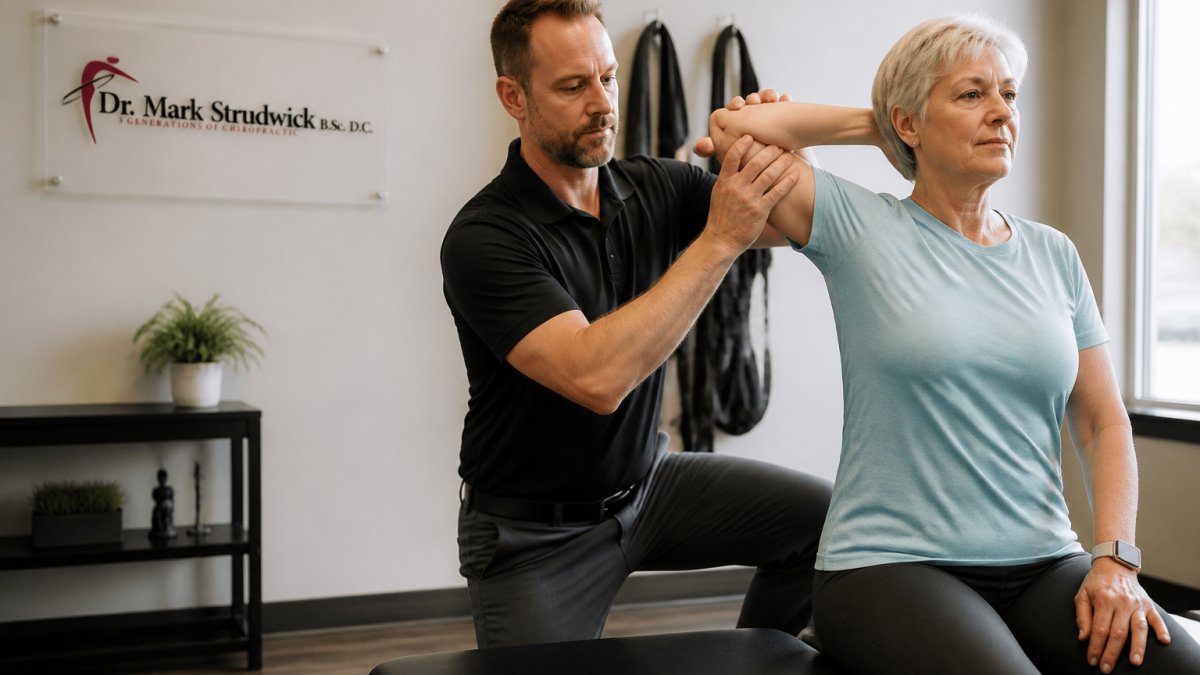
Many people assume healing is passive. A good clinic pairs hands-on care with a plan you follow between visits.
Below, we break down what each piece does and how to build a recovery path that holds up.
Building a Personalized Pain Treatment Plan That Actually Works
A personalized pain treatment plan is typically built on a clinical assessment of how you move and what is driving your pain.
Plans of this kind often combine manual therapy, therapeutic exercise, and at-home habits, usually progressing from pain relief to movement, then to strength.
For a closer look at how this comes together, see our guide on personalized pain treatment.
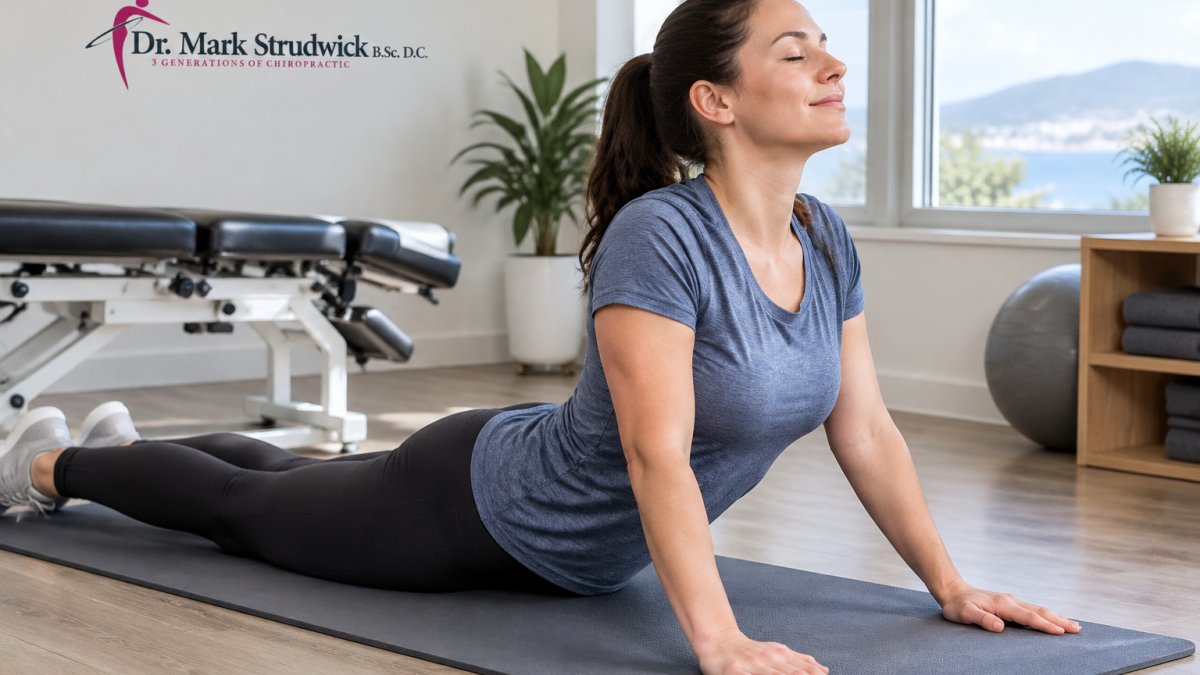
Mobility Exercises for Back Pain You Can Start This Week
Gentle, consistent movement is generally recommended for back pain. Start with small, controlled movements rather than pushing into pain.
Canadian physiotherapy guidance on safe exercise for back pain
If you want a structured starting point, our article on lower back pain exercises for beginners walks through seven gentle moves step by step.
How to Improve Mobility After an Injury: A Step-by-Step Recovery Path

Improving mobility after an injury generally follows a phased path. The practical questions are what to do in each phase, how long it tends to take, and how to know when to move on.
Phase 1: Calm the tissue (typically the first several days). The general goal is to reduce swelling and irritation so movement becomes tolerable. Gentle range-of-motion movement within a comfortable range is generally preferred over complete rest.
Phase 2: Restore range of motion. The general aim is symmetrical, pain-free motion rather than forcing end-range.
Phase 3: Rebuild strength. Load the tissue progressively so it can handle daily demands, and recognise that feeling better is not always the same as being ready.
Phase 4: Return to activity. Add speed, load, and activity-specific movement gradually rather than jumping straight back to full intensity.
Phase 5: Prevent recurrence (ongoing). Keep the strength and mobility work going. Most recurrences happen in the first few months after symptoms resolve, when people stop doing the exercises that got them better.
Timelines vary widely by injury type, age, and baseline fitness, and a clinical assessment can help turn general guidance into an individual plan.
A movement assessment is the practical first step if you’re unsure where to start or which phase you’re in.
Improving mobility after an injury generally follows a phased path, with each phase building on the last. (Source: Health Canada’s guidelines on pain management)
| Phase | Goal | Timing |
|---|---|---|
| Calm the tissue | Reduce swelling and irritation | Typically the first several days |
| Restore range of motion | Achieve symmetrical, pain-free motion | Not stated |
| Rebuild strength | Load tissue progressively for daily demands | Not stated |
| Return to activity | Add speed, load, and activity-specific movement gradually | Not stated |
| Prevent recurrence | Keep strength and mobility work going | Ongoing |
Rehabilitation Exercises After Injury: What Progress Should Look Like
Rehabilitation exercises after injury generally aim for steady, measurable gains in how you move, not just how you feel.
Watch for these signs:
- Range of motion improves week to week
- Daily tasks get easier, like stairs or lifting
- Pain drops during activity, not just at rest
- Strength returns on both sides
Plateaus are normal. A week with no change doesn’t mean failure. Two or three flat weeks usually means the program needs adjusting.
Functional measures, such as carrying groceries without discomfort, can give a useful picture alongside pain scores.
Safety, Contraindications, and When to Seek Medical Care
Chiropractic care is not right for everyone, and not every treatment carries the same precautions. Providers generally screen for red flags before treatment and explain which techniques may need to be modified or avoided.
Seek medical care first if you have:
- Loss of bladder or bowel control
- Numbness in the groin or saddle area
- Severe pain after a fall or accident
- Unexplained weight loss with back pain
- Fever alongside spinal pain
- Progressive weakness or numbness in a limb
These signs can point to something that needs urgent medical review, not an adjustment. When in doubt, get assessed medically before booking a treatment.
Treatment-specific precautions. Different techniques carry different considerations:
- Spinal manipulation: Caution with osteoporosis, recent fractures, inflammatory arthritis, or blood thinners.
- Manual therapy and massage: Avoid direct pressure over recent fractures, open wounds, or active infection. Pregnancy and blood-thinner use change how much pressure is appropriate.
- Acupuncture: Requires sterile technique; tell your practitioner about bleeding disorders, anticoagulant use, or implanted devices.
- Shockwave and other modalities: Not typically used over growth plates in children, over tumors, or during pregnancy without clinical guidance.
- Therapeutic exercise: Progress load gradually; stop and seek review if pain sharpens or new neurological symptoms appear.
Tell your practitioner about osteoporosis, blood thinners, recent fractures, pregnancy, or any implanted medical device. They change how care is delivered, and a good clinic will ask before you mention it.
If symptoms are worsening week to week, or if you develop new numbness, weakness, or loss of function, stop your current program and seek clinical review rather than pushing through.
Our article on when to see a chiropractor for back pain covers the warning signs in more detail.
At-Home Recovery and Self-Management Between Visits
At-home recovery is where most of the healing actually happens. What you do between visits matters as much as the visit itself.
A simple daily routine:
- Do your prescribed exercises, even on good days
- Walk daily to keep joints moving
- Use heat before exercise, ice after if needed
- Sleep well and stay hydrated
- Break up long sitting with short movement breaks
A common pattern is going all-in on good days and doing little on bad ones; steady routines are generally easier to sustain.
Booking Your First Assessment at Strudwick Chiropractic
Booking a first assessment is a practical way to get a clearer picture of what may be going on.
Dr. Mark Strudwick brings over 25 years of clinical experience and holds an International Certificate in Sports Chiropractic. Direct billing to insurance plans, ICBC, and WorkSafe is available, and parking at Saanich Centre is free.
A treatment program can be tailored to the individual and adjusted as progress is made.
Frequently Asked Questions
What treatments can help restore mobility?
A combination of manual therapy, therapeutic exercise, and soft tissue work is often used to restore mobility. Chiropractors may add joint adjustments, and some clinics, such as ours, offer adjunct services such as massage therapy or acupuncture. The right mix depends on your assessment, the tissue involved, and your goals. A personalized pain treatment plan may progress from pain relief to strength and balance work. Ask your provider what each treatment is meant to achieve.
How long does it take to improve mobility after an injury?
Healing timelines vary widely by injury type, tissue involved, age, and how consistently you follow your rehabilitation exercises after injury. Minor strains may improve within a few weeks, while more significant musculoskeletal conditions can take months. Rather than focusing on a fixed date, track functional milestones: pain reduction during daily tasks, increased range of motion, and return to activity. Your provider can set realistic checkpoints and adjust your recovery program as your movement and strength improve.
How do rehabilitation exercises support mobility?
Rehabilitation exercises after injury rebuild strength, balance, and range of motion in a controlled way. They load healing tissue gradually so it adapts rather than re-injures, and they address the movement patterns that contributed to the problem. Combined with other care, therapeutic exercise may support a return to activity. Consistency matters more than intensity: short, regular sessions are usually better than occasional long ones. A clinician can tailor the progressions to your stage of tissue healing.
When should you seek professional care for persistent pain?
Seek an assessment if pain lasts more than a couple of weeks, keeps returning, or limits your work, sport, or sleep. Red flags such as numbness, weakness, loss of bladder or bowel control, or pain after significant trauma need urgent medical attention. For most persistent neck, back, or shoulder pain, a clinical assessment can identify what is driving the problem and whether chiropractic care, rehabilitation, or a referral is appropriate. In British Columbia, ICBC and WorkSafe claims may cover treatment when related to a motor vehicle accident or workplace injury.
If pain is limiting how you move, you don’t have to guess at the cause. Strudwick Chiropractic offers clinical assessment, hands-on treatment, and tailored rehabilitation to help you move well again. Get started with Strudwick Chiropractic and rebuild your mobility with a plan built around you. Contact our team to book your first assessment.