Last Updated: November 5, 2026
Quick Summary
To reduce back pain fast, keep moving gently, use heat or cold correctly, and avoid prolonged bed rest and pushing through sharp pain. Apply a cold pack for 10 to 15 minutes after a sudden twist, lift, or fall, or heat for 15 to 20 minutes for a dull ache with morning stiffness.
- Change position every 30 to 45 minutes, sitting with feet flat and your back supported.
- Hold each gentle stretch for 15 to 30 seconds and stop if pain travels down your leg.
- Start with 5 to 10 minutes of walking two or three times a day, building toward 20 to 30 minutes daily.
- Seek emergency care for loss of bladder or bowel control, groin numbness, or worsening leg weakness.
- See a doctor if pain has not improved at all after one to two weeks of gentle activity and home care.
Table of Contents
- A First-Hour and First-Day Plan to Reduce Back Pain Fast
- Heat or Ice for Back Pain: How to Choose
- Lower Back Pain Stretches You Can Do at Home
- Staying Active: Walking, Swimming and Daily Movement
- Posture, Core Strength and Habits That Prevent Flare-Ups
- How Long Does Lower Back Pain Last?
- When to See a Doctor for Back Pain
- Building a Recovery Plan With a Chiropractor
- Frequently Asked Questions
A First-Hour and First-Day Plan to Reduce Back Pain Fast
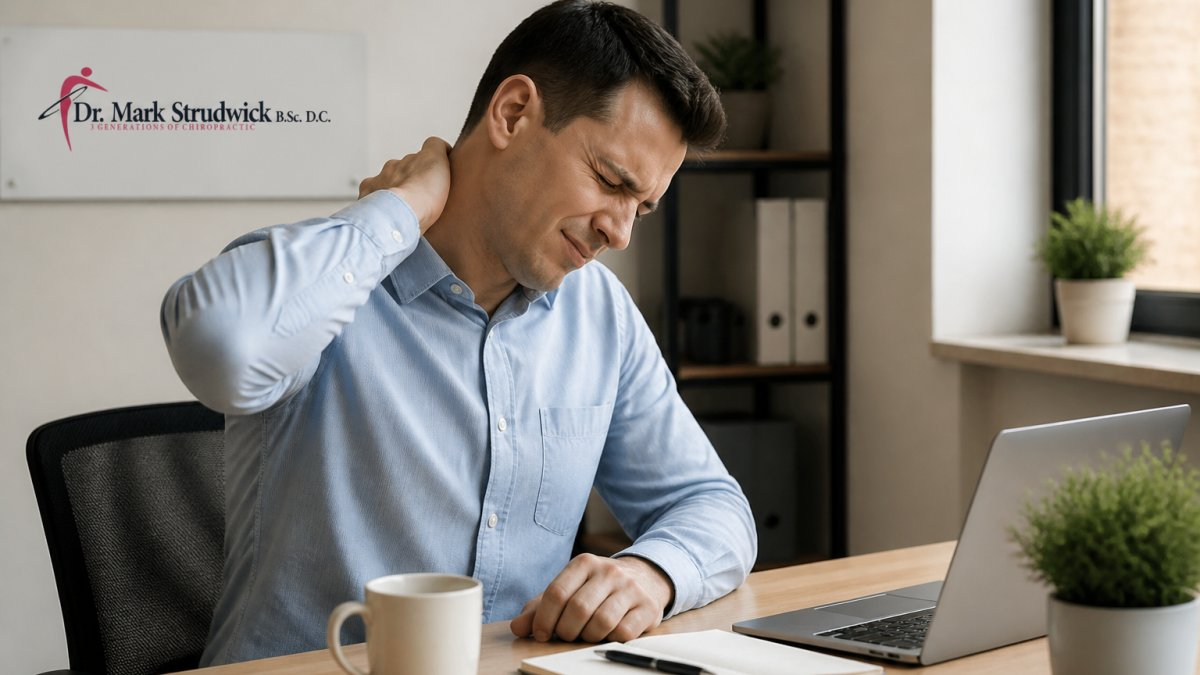
Most back pain improves on its own, and the first day matters more than most people think. If you want to know how to reduce back pain fast, the short answer is this: keep moving gently, use heat or cold correctly, and avoid the two things that make it worse, which are prolonged bed rest and pushing through sharp pain. The people who recover quickest are rarely the ones who did the most. They are the ones who did the right small things early.
Here is a practical plan for the first hours and day.
What to do in the first hour
Start by finding a comfortable position, not a stiff one. Lie on your side with a pillow between your bent knees, or on your back with knees supported. Then:
- Apply a cold pack for 10 to 15 minutes if the pain came on suddenly after a twist, lift, or fall. Wrap it in a towel first.
- Apply heat for 15 to 20 minutes if the pain is a dull ache with morning stiffness. A warm shower works too.
- Take a short, slow walk around the house. Two to five minutes is enough.
- Skip the bed. Lying down for an hour is fine. Lying down for the day is not.
Watch out: never place ice or a heat pack directly on bare skin, and never fall asleep with one on. Cold burns and heat burns both happen this way.
What to do for the rest of the day
Change position every 30 to 45 minutes. Sit with your feet flat on the floor and your back supported. Stand and walk briefly, then sit again.
Avoid heavy lifting, twisting, and long drives. Gentle daily tasks are usually fine. If a movement makes the pain shoot down your leg, stop doing it. For a deeper at-home plan you can follow hour by hour, see our guide on how to relieve lower back pain at home.
Heat or Ice for Back Pain: How to Choose
The choice between heat and ice for back pain comes down to what is happening in the tissue, not to personal preference. Cold is commonly used to reduce the inflammatory response after a fresh strain or sprain. Heat is commonly used to relax muscle guarding in a stiff, tight back that has been sore for days.
Use this as a working rule:
| Symptom pattern | Best first choice | Mechanism | Typical session |
|---|---|---|---|
| Sudden sharp pain after a twist, lift, or fall | Cold pack | Narrows blood vessels, calms early inflammation and irritation | 10-15 minutes, up to 3 times in the first 24-48 hours |
| Morning stiffness, dull ache, muscles that feel tight | Heat | Relaxes muscle guarding and improves mobility | 15-20 minutes |
| Pain that eases with gentle movement | Gentle activity, not a pack | Restores normal motion and circulation | 5-10 minutes, repeated through the day |
| Pain that worsens with movement | Short rest and cold | Reduces strain while the tissue settles | Short rest, then reassess |
A common mistake is alternating heat and ice all day. Pick the option that matches your symptoms, use it for a set time, then move on. Heat and cold are comfort tools, not cures, and they work best alongside gentle movement rather than instead of it.
Watch out: avoid placing ice or a heat pack directly on bare skin, avoid falling asleep with one on, and avoid heat over an area that is swollen, hot to the touch, or numb.
If symptoms are mixed, which is common in the first 48 hours, start with cold for the first day after a clear injury and switch to heat once the sharpness settles and stiffness takes over. If you are unsure which pattern fits, our guide on how to relieve lower back pain at home walks through the first day hour by hour.
Lower Back Pain Stretches You Can Do at Home
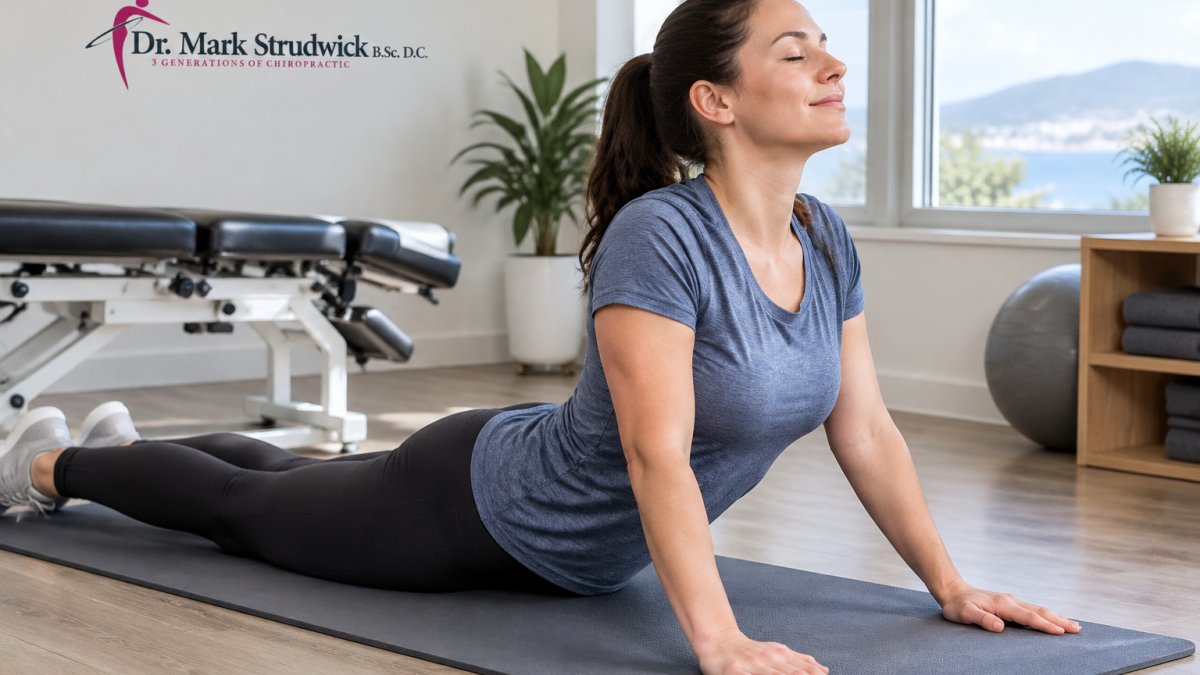
Gentle stretching helps most people with lower back pain, but only when it is slow and pain-free. Hold each stretch for 15 to 30 seconds. Breathe normally. Stop if pain travels down your leg.
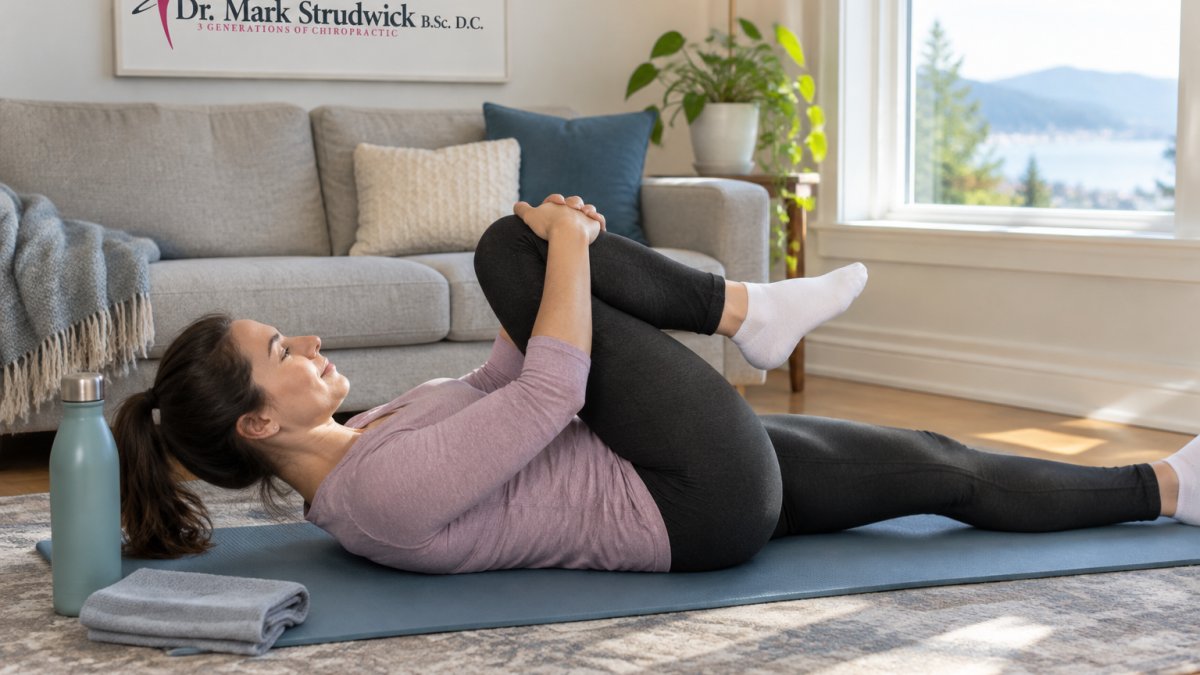
Try these three moves:
- Knee-to-chest: Lie on your back, bend one knee, and pull it gently toward your chest. Switch sides.
- Pelvic tilt: Lie on your back with knees bent and feet flat. Tighten your abdominal muscles and press your lower back gently into the floor.
- Seated forward lean: Sit in a chair, feet flat, and lean forward slowly from the hips.
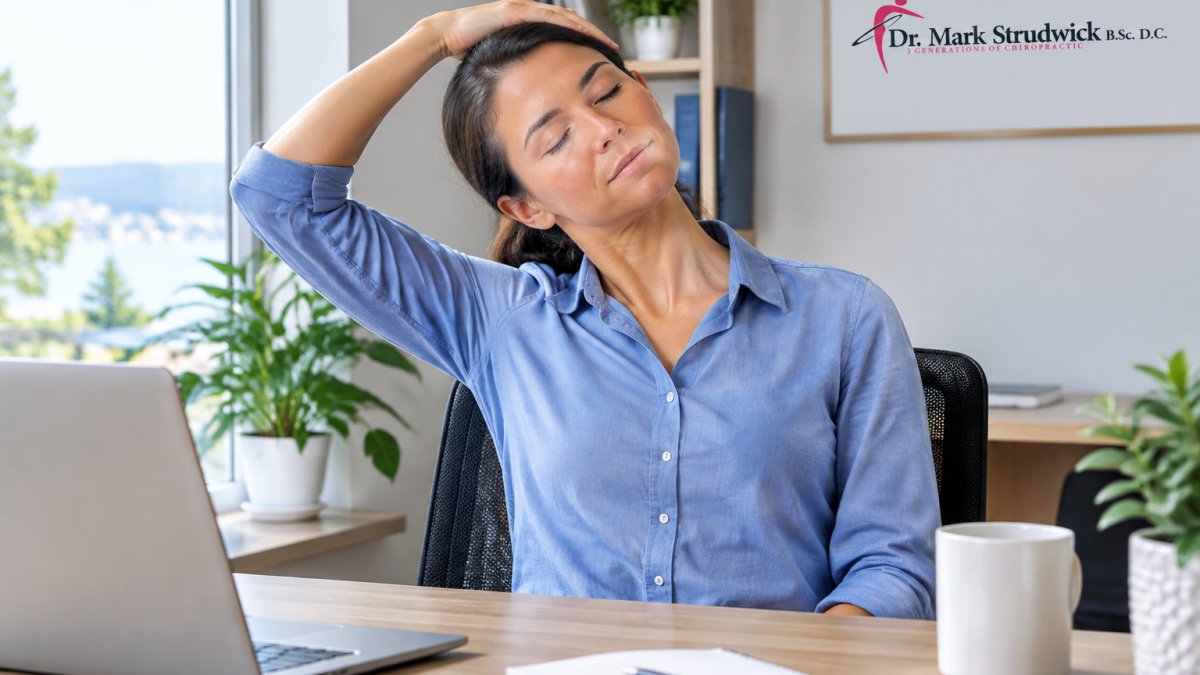
For desk-friendly options, our stretches for back pain from sitting are built for office workers. If you are new to this, start with these lower back pain exercises for beginners instead.
Staying Active: Walking, Swimming and Daily Movement
Staying active is one of the most reliable ways to speed recovery. Prolonged bed rest can weaken the muscles that support the spine, and general physical activity is commonly recommended to keep joints moving.
Walking is the simplest option. So is swimming, water aerobics, and gentle yoga or Pilates. Pick whatever you can do without a sharp increase in pain.
How much walking is enough
Start with 5 to 10 minutes, two or three times a day. Add a few minutes each day as the pain settles. A reasonable goal is 20 to 30 minutes total per day in the first week. Short, frequent walks beat one long one.
Watch out: if walking makes the pain worse in your leg or foot, cut the distance and speak to a clinician before pushing further.
Posture, Core Strength and Habits That Prevent Flare-Ups
Prevention comes down to two habits: better posture and a stronger core. Core muscles, including the abdominal muscles, help support the spine.
Small changes add up:
- Set your chair so your feet sit flat on the floor and your hips are level with your knees.
- Stand and move every 30 to 45 minutes during desk work.
- Tighten your abdominal muscles gently before lifting anything.
- Build core strength two or three times a week with slow, controlled moves.
- Keep daily stretching in your routine, even on good days.
How Long Does Lower Back Pain Last?
Most episodes of lower back pain settle within a few days to a few weeks, though the exact timeline varies by cause and by person. Simple strains often ease noticeably within the first week. Pain that lasts longer than a few weeks is worth assessing properly.
Morning stiffness that fades as you move is common. Pain that stays the same or worsens over weeks deserves a closer look.
When to See a Doctor for Back Pain
Most back pain is not an emergency, but a small share of cases need prompt assessment.
Seek emergency care or call 911 if you notice any of these:
- Loss of bladder or bowel control
- Numbness around the groin or inner thighs
- Weakness in one or both legs that is getting worse
- Pain after a major fall or accident
- Fever, chills, or unexplained weight loss alongside the pain
- Pain that is severe at rest and does not ease in any position
These symptoms can be associated with conditions that need urgent medical assessment.
See a doctor promptly, within a day or two, if you have:
- Pain that has not improved at all after one to two weeks of gentle activity and home care
- Pain that keeps returning in the same spot every few weeks or months
- Numbness or tingling that travels down one leg
- A history of cancer, osteoporosis, or long-term steroid use
- Pain that wakes you at night or is worse when you lie still
For non-urgent but persistent pain, our guide on when to see a chiropractor for back pain covers the signs that care may help.
While you wait for an appointment, keep moving gently, avoid heavy lifting and long drives, and use heat or cold as described above. Do not start a new exercise program or push through sharp pain to test whether it is getting better.
If the pain is improving week by week, even slowly, that is a reasonable sign to continue home care and reassess. If it is flat or worsening after two weeks, that is the point to book an assessment rather than keep experimenting.
Building a Recovery Plan With a Chiropractor
A recovery plan should match your cause, your daily demands, and your goals. That is the part most people skip. They treat the flare-up and never ask why it keeps returning.
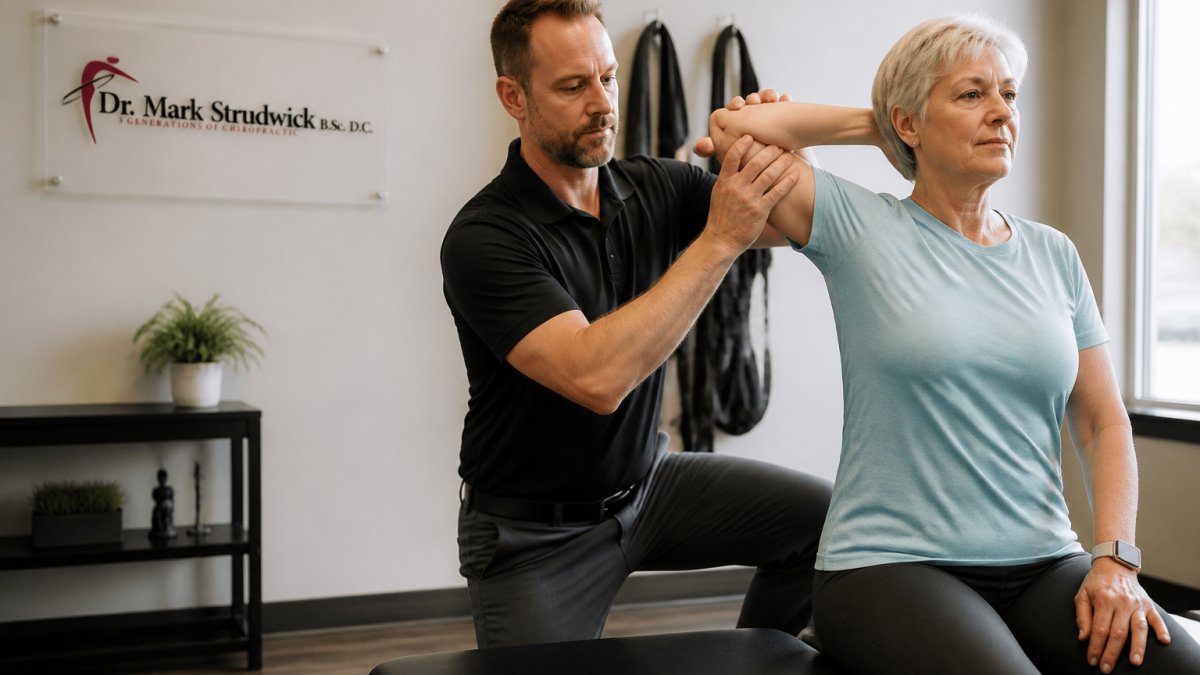
At Strudwick Chiropractic, Dr. Mark Strudwick brings over 25 years of clinical experience and holds an International Certificate in Sports Chiropractic. Care may include adjustive techniques, soft tissue therapy, and rehabilitation exercises tailored to you. The clinic offers direct billing to insurance plans, ICBC, and WorkSafe, with free parking at Saanich Centre.
If you are deciding where to start, read what to expect at a first chiropractic visit before you book.
Frequently Asked Questions
What is the fastest way to relieve back pain?
The fastest relief usually comes from a combination of gentle movement and simple home measures rather than lying still. Try a short walk, a few gentle stretches, and either a cold pack in the first 48 hours or a heat pack afterward, depending on what feels better. Over-the-counter pain relief can take the edge off so you can move. Avoid prolonged bed rest, which tends to make stiffness worse. If pain is severe or comes with numbness or weakness, seek medical care rather than self-treating.
Should I use heat or ice for back pain?
Cold therapy suits the first day or two after a strain or flare-up, when inflammation and sharp pain are present. Apply an ice pack wrapped in a cloth for about 15 to 20 minutes at a time. Heat therapy is commonly used for muscle tightness, morning stiffness and older, aching pain. Avoid applying either directly to bare skin, and avoid heat if there is swelling or numbness. Many people alternate the two and use whichever gives more relief.
How long does lower back pain usually last?
Most episodes of acute lower back pain settle within a few days to a few weeks, and many improve noticeably within the first week with gentle activity. Pain that lasts beyond several weeks may warrant a proper assessment. Recurring flare-ups can have a range of underlying causes. If pain is not improving, keeps returning, or interferes with sleep and daily tasks, a chiropractor or physician can help identify the cause.
When should I see a doctor for back pain?
Seek urgent medical care if back pain follows a fall or accident, or comes with loss of bladder or bowel control, numbness in the groin area, fever, unexplained weight loss, or progressive weakness in the legs. These are red flags that need prompt assessment. For pain that lasts more than a few weeks, keeps coming back, or limits your normal activity, book a consultation with a qualified professional.
Back pain that keeps coming back is a signal, not bad luck. If home measures are not holding, a proper assessment can find the cause and build a plan around it. Strudwick Chiropractic offers evidence-based adjustive care, soft tissue therapy, and tailored rehabilitation exercises, with direct billing to insurance, ICBC, and WorkSafe. Get started with Strudwick Chiropractic and build a recovery plan that lasts beyond the next flare-up.