Last Updated: November 17, 2026
Quick Summary
Choose back pain relief products by matching the product to your symptoms and their cause, not by picking the strongest label. Topical NSAIDs have the strongest evidence for localized pain, heat suits stiffness, cold suits fresh injury, and braces are for short-term support. Check active ingredients and speak to a pharmacist before combining products.
- Ask where the pain is and what makes it worse or better before buying anything.
- Topical NSAIDs have the strongest evidence for localized musculoskeletal pain.
- Limit heat or cold to about 15 to 20 minutes at a time with a break.
- Never apply a topical product and then a heating pad over the same area.
- Relying on a back brace for weeks can let supporting muscles weaken.
Table of Contents
- Start With the Cause, Not the Product
- Over-the-Counter Remedies for Back Pain: What the Evidence Says
- Topical Pain Relief for Back Pain: Gels, Creams, and Patches
- Heat Therapy for Back Pain, Cold Packs, and When to Use Each
- Back Braces for Lower Back Pain and Lumbar Support
- Safety, Interactions, and When Back Pain Relief Products Are Not Enough
- Building a Back Pain Relief Plan With Strudwick Chiropractic
- Frequently Asked Questions
Start With the Cause, Not the Product
Most people reach for back pain relief products before they understand what is actually causing the pain. That order is backwards, and it is why so many drawers fill up with half-used tubes and abandoned braces. (Source: Health Canada’s guidance on acetaminophen)
Back pain relief products are tools that help manage symptoms such as muscle soreness, stiffness, swelling, and local pain. They do not fix the underlying cause. A heating pad can calm a spasming muscle, but it will not correct a movement problem that keeps retriggering the spasm.
Someone buys a lumbar cushion, uses it for a week, feels better, stops, and the pain returns. The product worked. The problem was never addressed.
Before buying anything, ask three questions. Where is the pain? What makes it worse? What makes it better? Sharp pain that shoots down a leg, numbness, or weakness needs assessment, not a cream. Dull ache after a long day at a desk points somewhere else entirely. Matching the product to the pattern is the whole game.
Over-the-Counter Remedies for Back Pain: What the Evidence Says
Over-the-counter remedies for back pain fall into two broad groups: oral medications and topical products. Both can reduce discomfort. Neither treats the cause. The more useful question is not which product is strongest but which one fits your symptoms, your other medications, and your health history.
Oral options. Acetaminophen is used for pain and fever. Non-steroidal anti-inflammatory drugs (NSAIDs), available as tablets, capsules, and some topical gels, target both pain and inflammation. For persistent pain, the benefit of any single over-the-counter product tends to shrink, which is why clinicians usually pair medication with movement and rehab rather than relying on pills alone.
Topical options. Medicated creams, gels, and patches deliver the active ingredient closer to the source, so the rest of the body sees far less of it than with a pill. They are less useful for pain that moves around or radiates.
Safety and contraindications. Acetaminophen appears in many combination cold, flu, and sleep products, and doubling up without reading labels can push someone past the safe daily limit, a real risk of liver injury (Acetaminophen). NSAIDs carry cautions for people with stomach ulcers or reflux, kidney disease, heart conditions, or uncontrolled blood pressure, and they can interact with blood thinners, some antidepressants, and other prescriptions. Topical NSAIDs and medicated patches can irritate skin and should not be applied to broken skin. Pregnant people, older adults, and anyone taking multiple medications should speak to a pharmacist before starting anything new.
A practical sequence. Read the label, check the active ingredient against everything else you take, and respect the dosing. If you are weighing which medicine fits your situation, our team has written a fuller breakdown of what works and what to try for back pain relief. Speak to a pharmacist if you take other medication, and do not use any over-the-counter product to delay assessment of symptoms that are worsening.
Watch out: combining an oral NSAID with a topical NSAID can increase total exposure without an obvious signal, so check the active ingredients on both labels before stacking them.
Topical Pain Relief for Back Pain: Gels, Creams, and Patches
Topical pain relief for back pain works best for localized pain: a specific stiff spot, a sore muscle after activity, or a flare near the surface. The active ingredient absorbs through the skin, so the rest of the body sees far less of it than with a pill. That is the main reason topical products are worth trying first for a small, well-defined area.
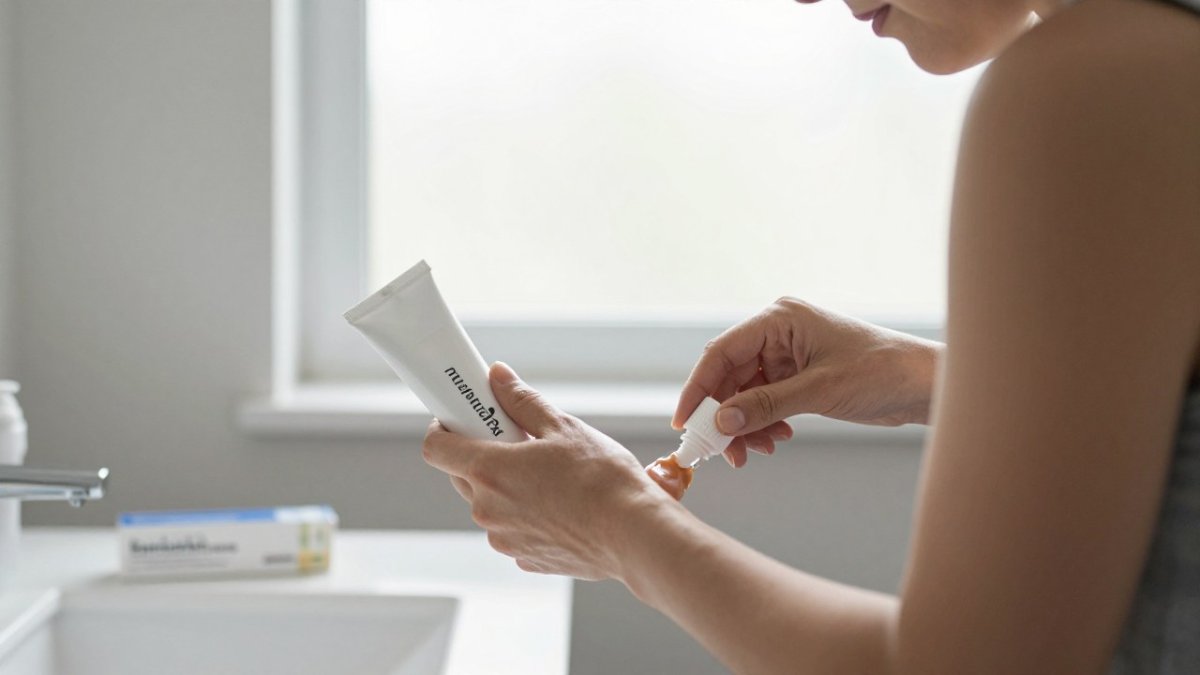
What is actually in them. Most topical back products rely on one of a few active ingredients: a topical NSAID (such as diclofenac), counterirritants that create a warming or cooling sensation (such as menthol, camphor, or methyl salicylate), or capsaicin, which depletes a pain-signaling substance in nerve endings over repeated use. The evidence is strongest for topical NSAIDs for localized musculoskeletal pain; counterirritants feel soothing but have thinner evidence for lasting relief, and capsaicin needs consistent use over days before the effect builds.
Format trade-offs. Gels dry fast and suit hairy or sweaty skin. Creams stay put longer. Patches deliver a steady dose over hours and are handy for a workday, though they can irritate sensitive skin when peeled off. Sprays and roll-ons are easy to apply to the lower back without help, which matters for anyone with limited shoulder or hip mobility.
Safety. Never apply a topical product and then a heating pad over the same area. Heat increases absorption and can cause burns or irritation. Wash your hands after applying, and keep the product away from broken skin, eyes, and mucous membranes. Topical NSAIDs still carry some systemic absorption, so people with stomach, kidney, or heart conditions, pregnant people, and anyone on blood thinners should check with a pharmacist before regular use. Menthol and camphor products should not be used under tight wraps or on young children.
Choosing by situation. For a fresh, sharp flare, a cooling gel or patch is easy to tolerate. For a stiff, tight muscle that builds through the day, a warming cream or patch applied before activity suits many people. For recurring soreness in one spot, a topical NSAID has the better evidence base. Match the format to your skin, your mobility, and how long you need coverage rather than to the loudest label.
Watch out: patch adhesives can cause contact dermatitis, so test a small area first if you have sensitive skin or a history of reactions to adhesives.
Heat Therapy for Back Pain, Cold Packs, and When to Use Each
Heat therapy for back pain suits stiffness, muscle tightness, and the ache that builds through a long day. Cold suits a fresh injury, swelling, or a sharp flare in the first day or two. (Source: Canadian Centre for Occupational Health and Safety)
The rule of thumb is simple. Heat relaxes. Cold numbs and reduces swelling. Therapeutic heat comes from heating pads, heat wraps, or a warm shower. Ice therapy comes from a cold pack wrapped in a cloth, never placed directly on skin.
Limit either to about 15 to 20 minutes at a time, with a break in between. Contrast therapy, alternating heat and cold, is sometimes used for lingering soreness, though it suits some people better than others.
If you are in acute pain right now and want practical steps to settle it, we have laid out how to reduce back pain fast, including how to use heat and cold safely at home.
The choice between heat and cold comes down to what the pain is doing.
| Method | Best for | How to apply |
|---|---|---|
| Heat | Stiffness, muscle tightness, ache that builds through a long day | Heating pads, heat wraps, or a warm shower |
| Cold | Fresh injury, swelling, sharp flare in the first day or two | Cold pack wrapped in a cloth, never directly on skin |
| Contrast therapy | Lingering soreness | Alternating heat and cold |
| Time limit | Either heat or cold | About 15 to 20 minutes at a time, with a break |
Back Braces for Lower Back Pain and Lumbar Support
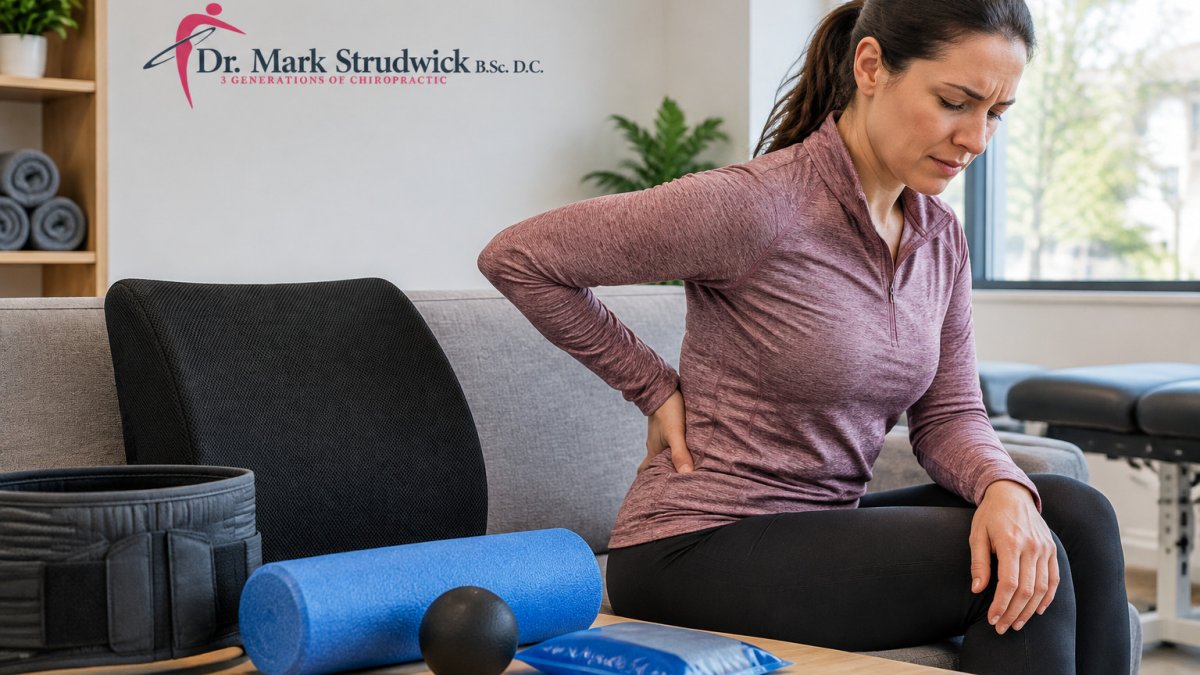
Back braces for lower back pain provide external support and a reminder to move well. A brace can help during a flare or a return to physical work. It is not a long-term solution, and relying on one for weeks can let supporting muscles weaken.
Lumbar support works differently. A lumbar cushion or support pillow holds the natural curve of the lower back while you sit, which reduces strain during desk work. The fit matters more than the price. A cushion that pushes you too far forward is worse than none.
- Brace: short-term support during a flare or heavy lifting
- Lumbar cushion: desk and driving posture support
- Support pillow: sleep and rest positioning
Choose by the cause. A brace for a desk worker with no injury does little. A cushion for someone lifting boxes all day misses the point.
Safety, Interactions, and When Back Pain Relief Products Are Not Enough
Back pain relief products are generally low risk when used as directed. The problems come from combining them carelessly or using them to delay proper assessment.
Seek prompt medical attention for pain after a significant fall or accident, pain with fever, loss of bladder or bowel control, numbness in the groin area, or progressive weakness in a leg. These are red flags, and they need a clinician, not a heating pad.
If your symptoms are not settling with self-care, our guide on when to see a chiropractor for back pain covers the seven signs worth acting on.
Building a Back Pain Relief Plan With Strudwick Chiropractic
Products manage symptoms. A plan addresses the cause. That distinction is the difference between feeling better for a week and staying better.
At Strudwick Chiropractic, care starts with a comprehensive physical, orthopedic, and neurologic examination before any treatment decision. Dr. Strudwick has over 25 years in practice and uses manipulative techniques alongside soft tissue therapy. Rehabilitative exercises are always part of the treatment plan, and doing them is what hastens recovery.
Direct billing to insurance plans, ICBC, and WorkSafe keeps access simple, and the clinic sits at Saanich Centre with free parking.
If you are ready to move from self-care to professional care, you can book a chiropractic appointment or find our contact information and location to get in touch.
Self-care has limits, and knowing when to step past them is the smart move. If products alone are not holding your progress, Strudwick Chiropractic offers individualized assessment, hands-on treatment, and rehab exercise plans built around your specific problem. Get started with Strudwick Chiropractic and address the cause, not just the symptom.
Frequently Asked Questions
What products can help relieve back pain at home?
At-home options include over-the-counter remedies for back pain such as acetaminophen or anti-inflammatory medication, topical gels and patches, heating pads or cold packs, and lumbar cushions or back braces for support. Which one helps depends on whether your pain is acute or chronic, muscular or joint-related. Heat therapy for back pain suits stiffness and muscle tightness, while cold packs help with fresh swelling. A clinician can help you match products to your specific symptoms.
Do topical gels help with back pain?
Topical pain relief for back pain can reduce local discomfort with fewer whole-body side effects than pills, because less medication reaches the bloodstream. Medicated creams containing anti-inflammatory ingredients and pain-relief patches are common choices. They work best for muscular soreness and localized pain rather than nerve-related symptoms. Check the label for maximum daily use, avoid broken skin, and speak to a pharmacist if you take other medications.
Is heat or ice better for back pain?
Cold packs are usually recommended for the first 48 to 72 hours after an injury, when swelling and inflammation are present. Heat therapy for back pain is better for muscle tightness, stiffness, and chronic aches, as it increases blood flow and relaxes tissue. Many people alternate the two, sometimes called contrast therapy. Keep each application to about 15 to 20 minutes and protect your skin with a cloth barrier.
Do back braces help with lower back pain?
Back braces for lower back pain can provide short-term support and remind you to move carefully during recovery, but they are not a long-term fix. Prolonged use may weaken supporting muscles if worn without rehabilitation. A brace works best alongside stretching, strengthening exercises, and guidance from a practitioner. If pain persists beyond a few weeks or comes with numbness or weakness, seek a professional assessment.