Quick Summary
Most stiff necks get better on their own within a few days to a few weeks. For a stiff neck from a sleep position, a strained muscle, or a long day at a desk, many people feel clearly better within one to two weeks. Pain that worsens or lasts beyond a few weeks should be checked by a healthcare provider.
- Mild stiffness often improves within 2 to 5 days.
- Moderate strain often improves within 1 to 2 weeks.
- Heat, gentle movement, and better pillow support help most stiff necks.
- Fever with severe headache, new weakness, or bladder loss needs immediate care.
- Pain lasting more than a few weeks should be assessed by a healthcare provider.
Table of Contents
- How Long a Stiff Neck Typically Lasts
- Common Causes of a Stiff Neck and Their Recovery Timelines
- Neck Pain When Turning Your Head: Causes and What They Mean
- How to Fix a Stiff Neck Quickly at Home
- A Day-by-Day Self-Care Plan for Recovery
- When to See a Doctor for Neck Pain
- Booking Your Assessment at Strudwick Chiropractic
- Frequently Asked Questions
How Long a Stiff Neck Typically Lasts
Last Updated: November 12, 2026
Most stiff necks get better on their own within a few days to a few weeks. For a stiff neck from a sleep position, a strained muscle, or a long day at a desk, many people feel clearly better within one to two weeks. (Source: WorkSafeBC’s ergonomic resources)
Recovery time depends on what caused the stiffness and how severe it is. A mild muscle tightness may ease in two or three days. A stronger strain may take several weeks to fully settle.
Here is a general guide for what most people can expect:
- Mild stiffness: Often improves within 2 to 5 days
- Moderate strain: Often improves within 1 to 2 weeks
- Persistent stiffness: May take several weeks, especially with repeated postural stress
- Pain that lasts more than a few weeks: Should be checked by a qualified healthcare provider
Pain that is getting worse, not better, is a signal to book an assessment rather than wait it out.
Recovery time depends mainly on how severe the stiffness is, as this general guide shows.
| Stiffness level | Typical recovery | Note |
|---|---|---|
| Mild stiffness | 2 to 5 days | Often improves quickly |
| Moderate strain | 1 to 2 weeks | Often improves with self-care |
| Persistent stiffness | Several weeks | Common with repeated postural stress |
| Pain beyond a few weeks | Longer than several weeks | Should be checked by a healthcare provider |
Common Causes of a Stiff Neck and Their Recovery Timelines
A stiff neck usually comes from a muscle that has been held in one position too long or pushed too hard. The cause often shapes how long recovery takes.
Common causes include:
- Poor sleeping position: Often settles within a few days once the pillow and sleep position change
- Desk and screen posture: Tends to build slowly, so recovery may take one to several weeks
- Muscle strain from lifting or sudden movement: Often improves within one to two weeks with rest and gentle movement
- Stress and muscle tension: Can cause recurring stiffness that eases as tension is addressed
A stiffness that came on suddenly after an activity often recovers faster than one that built up over months. Repeated postural stress is the most common reason stiffness comes back.
Neck Pain When Turning Your Head: Causes and What They Mean
Pain that shows up when you turn your head is common. It often comes from the muscles and joints that control rotation becoming irritated, tight, or temporarily less mobile.
Mild pain on turning often eases as the muscles relax. You can read more about causes and relief for pain when turning your head. Pain that stays sharp, spreads down the arm, or comes with numbness or weakness needs prompt medical attention.
Neck pain with turning can have several causes, including:
- Muscle strain from sleeping in an awkward position
- Stiffness from prolonged desk work
- Joint irritation that limits smooth rotation
- Inflammation after a sudden movement
A qualified clinician can help identify what is driving your symptoms.
How to Fix a Stiff Neck Quickly at Home
Most stiff necks respond well to simple self-care in the first few days. For a practical set of stretches built around desk-related neck tension, see neck pain stretches for desk workers. These steps can help you feel better sooner:

- Apply heat. Use a warm pack or warm shower for 15 to 20 minutes.
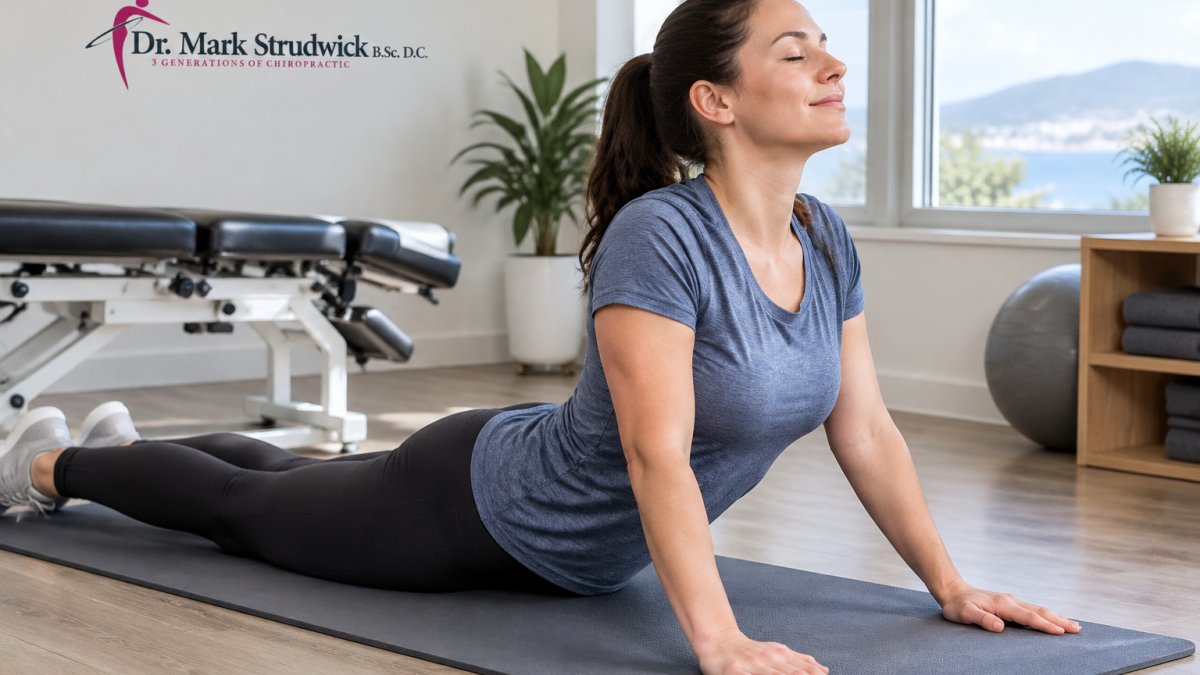
- Move gently. Slowly turn your head side to side within a comfortable range.
- Adjust your position. Use a supportive pillow and avoid sleeping on your stomach.
- Take breaks. Move every 30 to 45 minutes if you sit for long periods.
- Use over-the-counter pain relief as directed on the package if it suits you.
Stop any movement that causes sharp pain. For a companion guide to safe at-home neck pain relief steps, see the full list of options. Gentle motion usually helps, but forcing a stretch often makes stiffness worse.
Heat, Cold and Gentle Movement: What the Evidence Supports
Heat tends to ease muscle tightness for many people, which is why it is a common first choice. Gentle movement generally helps stiff joints and muscles recover, while staying still for long periods often slows recovery.
A Day-by-Day Self-Care Plan for Recovery
A sequenced plan helps you judge whether you are on track and when to change course. The timeline below reflects a common recovery pattern for uncomplicated stiffness; adjust based on your comfort and any advice from a qualified practitioner.
First 24 to 48 hours
- Keep movement small and within a comfortable range. Gentle turns of the head, shoulder rolls, and slow chin tucks are usually enough.
- If the area feels hot, swollen, or sharply painful after a strain, apply a cold pack for 10 to 15 minutes at a time, with a cloth between the pack and your skin. After the first day or two, switch to heat for 15 to 20 minutes to ease muscle tightness.
- Avoid prolonged stillness. Change position every 30 to 45 minutes, even if you are resting.
- Sleep with a pillow that keeps your head roughly in line with your spine. Stomach sleeping tends to rotate the neck and often prolongs stiffness.
Days 3 to 5
- Add gentle range-of-motion work: turn your head slowly to each side, hold for 3 to 5 seconds at a comfortable end range, and return to centre. Repeat 5 to 10 times, two or three times a day.
- Add shoulder blade squeezes and slow shoulder rolls to reduce upper-back tension that feeds neck stiffness.
- Keep up heat before movement if stiffness is worse in the morning.
Days 6 to 10
- Increase movement gradually and begin light daily activity. Walking and normal household tasks are usually fine if they do not sharply increase pain.
- Check your workstation: screen at eye level, elbows near 90 degrees, feet flat, and the top of the monitor about an arm’s length away.
- If you drive long distances, adjust the headrest so the top is level with the top of your head and close to the back of your skull.
Day 10 onward
- If stiffness still limits turning, reaching, or sleep, book an assessment. Persistent symptoms that do not follow the expected pattern are worth evaluating rather than pushing through.
- If symptoms are improving but slowly, continue gentle movement and posture changes; most uncomplicated cases continue to settle over the following one to two weeks.
Watch out: pushing into sharp pain or forcing a stretch to “loosen” the neck often increases muscle guarding and slows recovery. Progress should feel steady, not sharply painful. If pain is worsening, stop the plan and seek care.
When to See a Doctor for Neck Pain
Most stiff necks are not emergencies, but a small number of symptoms change the picture. Use the guide below to decide how quickly to seek care.
Seek emergency care now if you have:
- A stiff neck with fever, severe headache, rash, confusion, or sensitivity to light, this combination can signal a serious infection and needs immediate assessment.
- Neck pain after significant trauma, such as a fall, direct blow, or motor vehicle collision.
- New weakness, clumsiness, or numbness in the arms or hands, or difficulty walking.
- Loss of bladder or bowel control, which can indicate a spinal cord problem.
- Difficulty swallowing or breathing, or severe pain that is rapidly worsening.
Book a prompt appointment (within days) if you have:
- Pain that spreads down the arm with tingling or numbness.
- Stiffness that has not improved after one to two weeks of gentle self-care.
- Recurring episodes that keep returning despite posture and sleep changes.
- A history of cancer, unexplained weight loss, or night pain that wakes you.
- A low-grade fever with neck stiffness but without the severe features above.
What to expect at an assessment
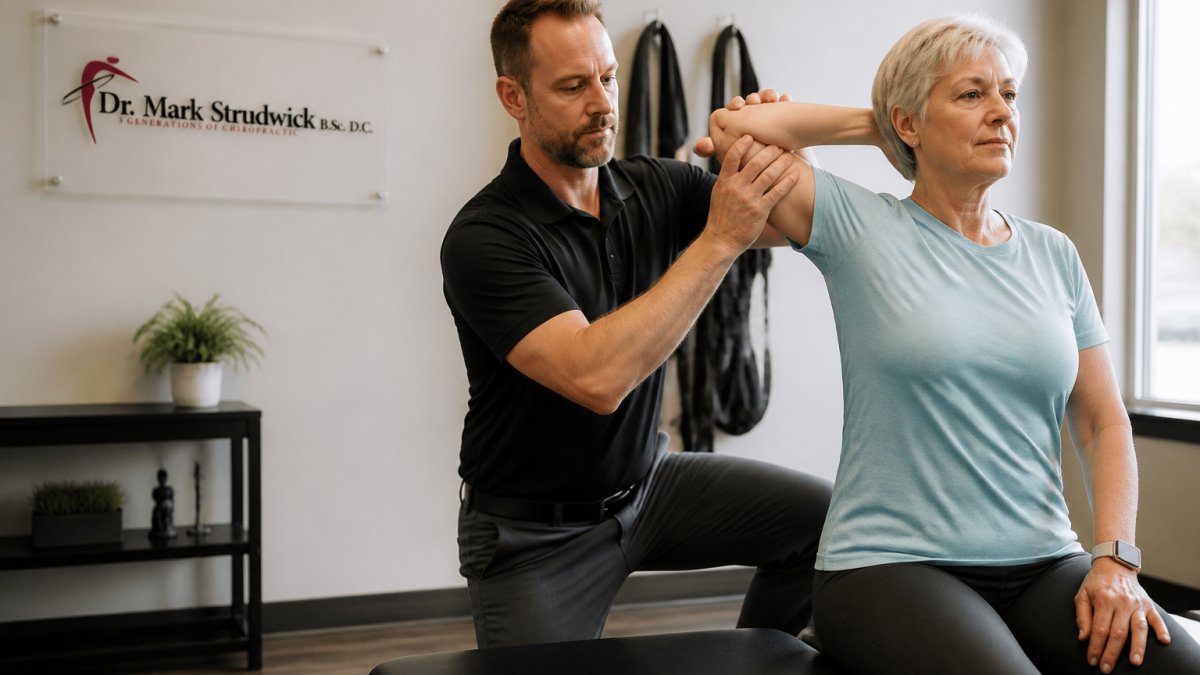
A qualified practitioner will typically take a history of when the stiffness started, what makes it better or worse, and any prior episodes. The physical exam usually checks neck range of motion, muscle tenderness, shoulder and upper-back movement, and nerve-related signs such as strength, sensation, and reflexes. Imaging is not routine for uncomplicated stiffness; it is usually considered when there are red flags, neurological signs, or symptoms that do not follow the expected pattern.
Watch out: do not wait out symptoms that include fever with severe headache, new weakness, or loss of bladder or bowel control. These are reasons to seek care immediately rather than continue home care.
Booking Your Assessment at Strudwick Chiropractic
If your neck pain has not improved after a couple of weeks, or it keeps coming back, a professional assessment can help. A professional assessment can help you understand what is driving your symptoms before any care is recommended. book a chiropractic assessment to talk through your symptoms and next steps with a qualified practitioner.
Frequently Asked Questions
How long does a typical stiff neck last?
Most stiff necks from everyday causes such as sleeping awkwardly, holding a phone at an angle or sitting at a desk improve within a few days to about two weeks. Stiffness that stems from a muscle strain often eases within one to two weeks with gentle movement and self-care. If stiffness lasts several weeks, keeps returning, or gets worse instead of better, arrange an assessment with a qualified health professional rather than waiting longer.
Why does my neck hurt when I turn my head?
Pain when turning the head is commonly linked to muscle strain, muscle tension or spasm, or a joint that is temporarily irritated after a poor sleeping position or prolonged awkward posture. These causes usually settle as the tissues calm down. Pain that spreads into the arm, causes numbness or weakness, or follows an injury should be checked by a health professional, as these signs can point to other causes.
When should I see a doctor for neck pain?
Seek medical care promptly if neck pain follows a fall, car accident or other injury, or if you have fever, severe headache, chest pain, difficulty swallowing, weakness or numbness in the arms or legs, or loss of bladder or bowel control. Also book an appointment if stiffness has not improved after about two weeks, worsens over time, or keeps coming back. A healthcare provider can help identify the cause and the right next steps for your situation.
Is it safe to use heat or ice on a stiff neck?
Many people find that a warm pack eases tight muscles, while a cold pack can help if the neck feels sore or swollen after a strain. Use either for short periods, typically around 15 to 20 minutes at a time, with a cloth between the pack and your skin. Stop if the area becomes red, numb or blistered, and check with a healthcare provider before using these methods if you have circulation problems or reduced sensation.